Trichologist in Darlington: Why Has My Hair Texture Changed?
Hair that suddenly feels as if it belongs to someone else is one of the most unsettling things to notice in the mirror.
If you are looking up a trichologist in Darlington because your hair has suddenly turned drier, frizzier, coarser, limper, wavier or straighter, the cause is usually something that changed in the weeks or months before: greying, pregnancy or the months after birth, perimenopause, colour or heat damage, hard water and build-up, the weather, a recent illness, a big diet change or a new medicine. Texture on its own rarely means hair loss. Heavy shedding, patches or a sore scalp are the signs to show your own GP first.
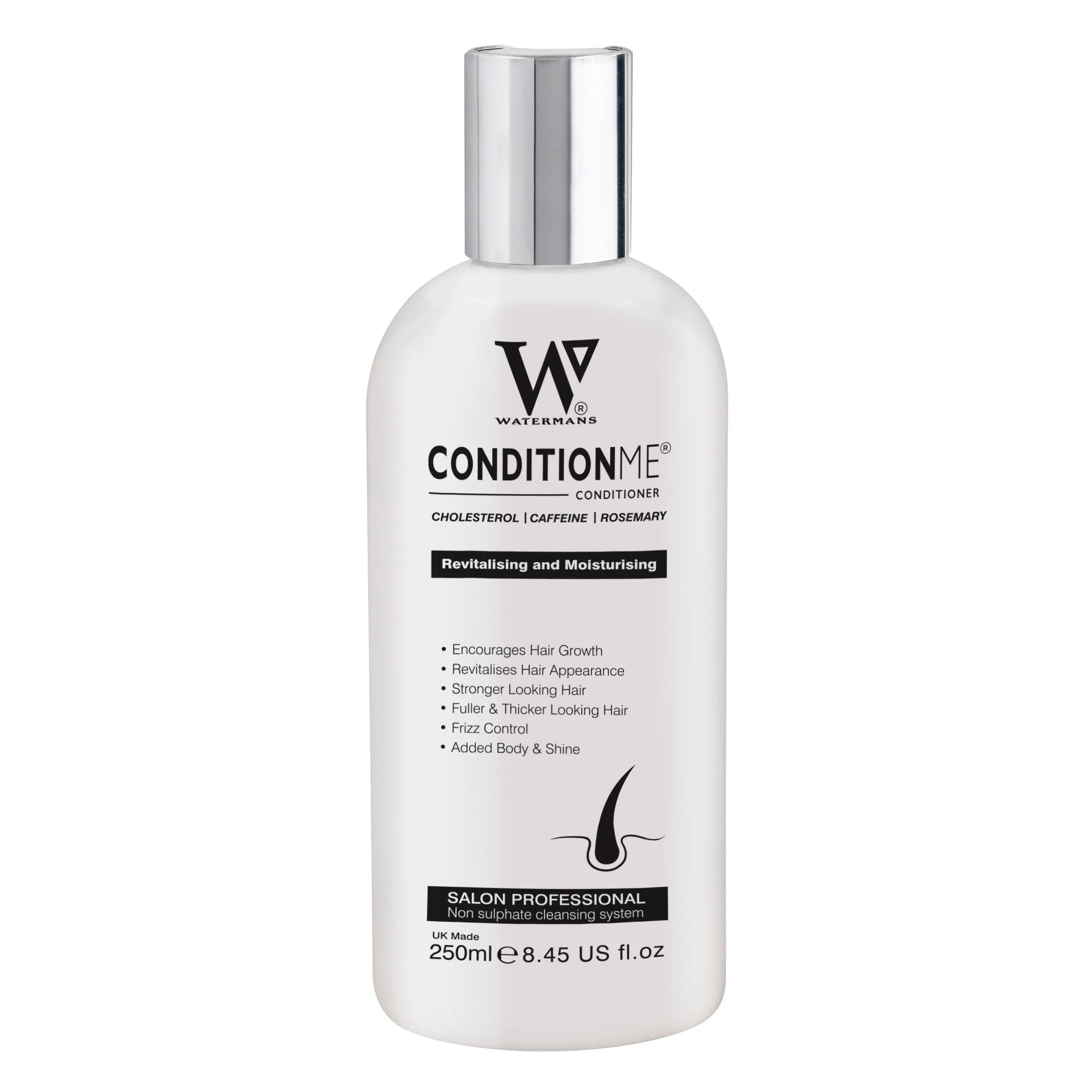
Our weekly hair mask
Masque Me® Hair Mask, £24.95. A deep conditioning weekly mask for dry, stressed lengths, adding gloss and hydration where heat and colour have taken their toll.
Key takeaways
- A 2004 study of 3,343 scalp hairs found white hairs averaged 67.68 micrometres across against 57.41 for pigmented ones, one reason grey strands can feel wirier.
- The British Association of Dermatologists (BAD) lists childbirth, severe illness, extreme dieting and starting new medicines among the triggers for extra shedding, which often begins around 3 months later.
- The NHS lists hair thinning or hair loss, and dry, itchy skin, among the symptoms of menopause, and dry hair among the symptoms of an underactive thyroid.
- Research on hard water disagrees: a 2013 study found no loss of hair strength after 30 days, while two later studies found a small but significant drop.
- Most texture changes happen in the hair fibre rather than the follicle, so a gentler, better-matched routine comes before any search for a trichologist in Darlington.
What can make hair texture change suddenly?
Hair texture usually changes suddenly because something shifted a few weeks or months earlier: grey strands growing in, pregnancy or the months after birth, perimenopause, a new colour, heat or chemical routine, harder water or product build-up, a change in the weather, a recent illness, a big diet change or a new medicine.
Those causes work at two different levels, and knowing which level you are dealing with tells you how quickly things can change. The first level is the fibre, the part of the hair above the scalp. The fibre is non-living keratin wrapped in overlapping cuticle scales, and bleach, heat, minerals, friction and humidity all act on it within days or weeks. The second level is the follicle, the living structure in the skin that decides how thick each hair is, how much pigment it carries and, to a large extent, what shape it grows in.
Changes at the follicle show up slowly, because new hair has to grow out before you can see it. In a 2004 study in the European Journal of Dermatology, scalp hair grew at roughly 0.35 to 0.38 millimetres a day, which works out at about a centimetre a month. So a texture change that appeared across all your lengths at once almost always points to the fibre, while a change you notice first at the roots, in the new growth, points to the follicle and to something that happened in your body a few months back.
| What you notice | Common everyday reasons | Usually acts on |
|---|---|---|
| Drier, rougher, straw-like | Bleach or colour, heat styling, hard water, cold weather and central heating | The fibre |
| Frizzier | Humidity, a roughened cuticle, grey strands mixed in, short new hairs growing through | Mostly the fibre |
| Coarser or wirier | Greying, the years around the menopause, a crop of new growth after shedding | The follicle |
| Limper or flatter | Product build-up, heavy conditioner at the roots, finer strands in midlife | Both |
| Wavier, curlier or straighter | Pregnancy, perimenopause, illness, chemical straightening or perming | The follicle, or the fibre after chemical services |
Why does grey hair feel coarser, wirier or more unruly?
Grey hair often feels coarser and wirier because unpigmented strands tend to be thicker, with a fuller central core, than the pigmented hairs growing beside them, and a 2004 study of 3,343 hairs from 24 women found white hairs averaged 67.68 micrometres across, against 57.41 micrometres for pigmented hairs.
The same study, by Dominique Van Neste, found the central core of the hair, called the medulla, was more developed in white hairs (23.91% against 12.21%), and that white hairs grew slightly faster, at 0.38 millimetres a day against 0.35. The slower growth usually seen with age turned out to be limited to the pigmented hairs. In plain terms, the grey strands coming through can be thicker, faster-growing and built differently from the rest of your hair, so they stand up, kink or refuse to lie flat in a style that used to behave. There is more on slower hair growth in a separate guide.
That mismatch is often what people describe as a sudden change. Nothing happened overnight; enough grey hairs have simply grown in to change how the whole head feels. A few adjustments help the two textures sit together:
- Condition the full length. Coarse, wiry strands need more slip than fine hair, and the American Academy of Dermatology (AAD) advises conditioner on the entire length when hair is dry or curly.
- Seal with a little oil. A few drops smoothed over the lengths help stray grey strands lie with the rest.
- Go gently with heat. Use low or medium settings over a heat protection product, as the AAD recommends for every hair type.
If the grey arrived earlier than you expected, our Huddersfield guide to going grey early covers the causes and when it is worth getting help.

Can pregnancy and the months after birth change your hair texture?
Pregnancy and the months after birth can change hair texture, and hair changes are common: in a 2020 study in the Journal of Pregnancy, 1,284 women questioned in a hospital in south Brazil shortly after giving birth were asked about skin changes, and 44.5% reported hair changes during the pregnancy.
Two things happen, one after the other. During pregnancy many people find their hair feels thicker or behaves differently, and some notice a looser or tighter wave. After the birth, the hair cycle catches up. The British Association of Dermatologists lists childbirth among the common triggers of telogen effluvium, a burst of extra shedding that often starts around 3 months after the trigger. Normally about 15% of scalp hair is in the shedding phase; in telogen effluvium that rises to 30% or more. The BAD says the shedding phase lasts 3 to 6 months, and that hair can take many months to get back to its usual volume and thickness.
That second phase can feel like a texture change in its own right. As new hairs grow through, a crop of shorter strands sits among the longer lengths, and those short hairs stand up at the hairline and parting, which can make hair look fluffier or frizzier than before. What we could not find is good research tracking curl pattern or strand thickness through pregnancy and beyond, so read any confident promise that curls always come back, or always drop out, as anecdote rather than evidence.
Our Doncaster guide to hair changes during pregnancy goes further into colour, chemical straightening and scalp changes while you are pregnant.
How do perimenopause and menopause change hair texture?
Perimenopause and menopause can leave hair feeling finer, drier or harder to manage, because the years around the menopause bring changes in how fast hair grows and how thick each strand is, and the NHS lists hair thinning or hair loss, along with dry and itchy skin, among the symptoms of menopause.
A 2011 review in the British Journal of Dermatology by Paradi Mirmirani looked at what the hormonal shifts of the menopause mean for hair. In a study it describes of women before and after the menopause, none of whom had hair loss, menopausal status significantly affected hair growth rate, the share of hairs in the growing phase and the spread of hair diameters, most noticeably at the front of the scalp. Hair density fell with age but was not linked to menopausal status, and the review suggests the combined effect on how much hair there appears to be becomes most noticeable in the mid-forties.
Put that together with greying, which often gathers pace in the same decade, and you can end up with two textures on one head: finer, softer strands alongside coarse, wiry grey ones. That combination can read as frizz, even in hair that was once smooth. Richer conditioning on the lengths, lighter products at the roots and less heat usually help it sit together again.
Texture is one part of a bigger midlife picture. For thinning at the front, crown or parting, our Hull guide to menopause and midlife thinning is the deep-dive. If you are starting or stopping HRT, mention any hair changes to whoever looks after it and never stop it on your own.
Can colour, heat styling and chemical straightening make hair rough and frizzy?
Colour, heat styling and chemical straightening or perming can make hair rough, frizzy or straw-like, because bleach, strong heat and chemical services wear away the smooth outer cuticle and let the fibre lose moisture more easily, and a 2011 study in the Annals of Dermatology found hair surfaces became more damaged as drying temperature rose.
In that study, Lee and colleagues washed and dried hair samples 30 times under five set-ups: no drying at all, natural drying at room temperature (20°C), and a hair dryer held at 15, 10 or 5 centimetres, which gave temperatures at the hair of 47°C, 61°C and 95°C. Surface damage rose with temperature. The inner cortex was never damaged, and moisture content fell in every dried group, with no significant difference between them. Two findings surprise people: natural drying was the only set-up that damaged the cell membrane complex, the material that holds the cuticle cells together, and both natural drying and the 95°C setting lightened hair colour after just 10 rounds. The researchers concluded that a dryer held 15 centimetres away and kept moving did less damage than letting hair dry naturally.
Chemical services work on the same outer layers, and harder. The BAD advice for anyone shedding extra hair includes limiting hairdryers, straighteners and curlers, and avoiding bleaching, relaxing or any service that uses harsh chemicals. A new frizz that started within a few washes of a colour, bleach, perm or straightening session is almost certainly the fibre, not your follicles.
- Dry smarter. Blot with a towel first, keep the dryer about 15 centimetres away and moving, and use a medium setting.
- Space out chemical work. Give lightened or straightened lengths time between sessions, and ask your colourist for a strand test first.
- Mask weekly. A deep conditioning mask on processed lengths helps them look and feel smoother.

Can hard water or product build-up change how your hair feels?
Hard water and product build-up can change how hair feels, leaving it coated, dull or rough, but research on hard water and hair strength disagrees: a 2013 study in the International Journal of Trichology found no change in strength or stretch after 30 days, while two later studies found a small but significant drop.
The 2013 study by Srinivasan and colleagues soaked hair from 15 volunteers in hard water (212.5 parts per million of calcium carbonate) or distilled water for 10 minutes on alternate days for 30 days, and found no significant difference in tensile strength or elasticity. Luqman and colleagues then ran two larger tests on hair from young men in Pakistan. In the 2016 study, hair soaked in hard water on alternate days for 3 months had a mean strength of 238.49, against 255.36 for hair soaked in deionised water, and a 2018 follow-up using hair from 70 men found a similar drop. Both results reached statistical significance. None of these studies measured frizz, softness or shine, which is what most people notice, so the fair summary is that hard water may make hair feel rougher and more coated, while any effect on strength looks small.
Whether it applies to you depends on your supply. As one example, Northumbrian Water says water is likely to be hard if it comes from a source near limestone or chalk or contains groundwater, that some areas receive blended water which can vary in hardness, and that you can check the hardness where you live by postcode.
Build-up is the other half of the problem. Styling products, dry shampoo, heavy conditioners and oils can coat the hair and leave it limp, flat or oddly stiff. The AAD suggests applying shampoo to the scalp, where it washes away built-up products, dead skin and excess oil without drying the lengths too much. If hair feels coated, wash the scalp properly, rinse for longer and scale back leave-in products for a week or two before deciding your texture has truly changed.

Why do humidity and cold weather change your hair texture?
Humidity and cold weather change hair texture because a hair fibre soaks up and gives off water depending on the air around it, and a 2007 study in the Journal of Cosmetic Science found the water hair takes up rose in a straight line as relative humidity climbed from 40% to 85%, which is why damp days bring frizz.
The same study found hair lost elasticity steadily as humidity rose from 50% to 80%. On a damp day strands swell unevenly, the cuticle lifts, and individual hairs bend out of line with their neighbours, which is what you see as frizz. Curly hair seems to feel it most. A 2021 study in the journal Perception tested how people judge curly and straight hair by touch at different temperatures and humidity levels, and found that changes in humidity may disproportionately affect how frizzy curly hair feels, because the friction between strands changes too.
Cold weather pushes the other way. Heated indoor air holds relatively little moisture, so hair gives water up and turns rougher, stiffer and more static. If your hair changes with the seasons, the fix is seasonal too: more slip and a light sealing oil in damp months, more conditioning and less heat in winter. For frizz that never quite settles, see our Gloucester guide to frizzy, dry hair and the porosity myth. Very hot winter showers can add to that dryness, as our Havant guide to hot water and fine hair sets out.

Get a discount on the dry, frizzy hair range
Join the Watermans mailing list and we will email a discount code straight to your inbox, so you can try the dry, frizzy hair range for less. Vegan, made in the UK, over 6.5 million bottles sold since 2012.
Can illness, a big diet change or a new medicine change your hair?
Illness, a big diet change and a new medicine can all change hair, and the British Association of Dermatologists lists severe illness, especially with a high fever, marked weight loss and extreme dieting, and starting new medicines among the common triggers of a burst of extra shedding that often begins around 3 months later. Before you judge a change from one photograph, read why hair looks thinner in photos than in the mirror.
The BAD also lists stressful life events, surgery, severe skin problems affecting the scalp and coming off a hormonal contraceptive, and notes that for 1 in 3 people with this kind of shedding no cause is ever found. The NHS separately lists illness, stress, weight loss and iron deficiency among the causes of temporary hair loss, so a crash diet, or a switch that quietly cuts out iron-rich foods, is worth thinking about. Shedding is not texture, but the two often arrive together: hair that sheds heavily for a few months comes back with a wave of short new growth, and the stressful months that caused it can leave the lengths drier too.
Some health conditions change the hair fibre itself. The NHS lists dry skin, dry hair or hair loss among the symptoms of an underactive thyroid, and says that because some of those symptoms are common and have other causes, it is important to get them checked by a GP. Rarely, texture changes in a way doctors have a specific name for: acquired progressive kinking of the hair, described in a 2026 review in the International Journal of Dermatology as a gradual change towards curlier, frizzier and darker strands. A 2023 report in the same journal described it developing after COVID-19.
Started a new medicine?
If your hair changed a few months after you started a new medicine, speak to whoever looks after that medicine, usually your GP or pharmacist, and never stop one on your own. Hair changes are worth mentioning, but any decision about the medicine belongs with them.
How can you work out which cause applies to you?
The quickest way to work out which cause applies is a simple timeline: note when you first noticed the new texture, look back a few weeks for changes to products, water, heat, colour or weather, and look back 3 to 6 months for life changes, because fibre changes and follicle changes run on different clocks.
| When the change started | Look back at | Most likely level |
|---|---|---|
| Within days, or a few washes | A new shampoo or styling product, a colour, bleach, perm or straightening session, a house move, a spell of damp or cold weather | The fibre |
| Gradually over a few weeks | Build-up, more heat styling, harder water, the central heating coming on | The fibre |
| 2 to 4 months after an event | Childbirth, an illness with a fever, surgery, a crash diet, a new medicine, a stressful event | The follicle, often with extra shedding |
| Slowly, over a year or more | Greying, perimenopause and menopause, getting older | The follicle |
Then work through this checklist, ideally over a couple of weeks:
- Compare roots with ends. If the new texture is only in the first few centimetres of growth, look back to what happened a few months ago. If the whole length changed at once, look at products, water and heat.
- Look at the hairs you lose. Full-length hairs with a small, pale bulb at the root are shed hairs. Short pieces with no bulb are breakage.
- Check your water and products. Look up your water hardness by postcode and list every product that touches your hair, including dry shampoo and leave-ins.
- Write down your heat and colour history. Dates of the last colour, bleach, perm or straightening session, and how often you use hot tools.
- Think about your health. Recent illness, weight change, pregnancy, perimenopause, new medicines and how tired you have felt.
- Take a monthly photo. Same room, same light, hair parted the same way, so you judge any change against your own baseline.
Bring those notes with you to your GP, or to a trichologist in Darlington if you decide to see one. A clear timeline makes any conversation shorter and far more useful.
Does a sudden change in hair texture mean you are losing hair?
A sudden change in hair texture does not usually mean you are losing hair, because most texture changes happen in the fibre above the scalp, but texture can change alongside shedding after childbirth or illness, and occasionally a new patch of frizzy, kinked hair is an early sign of pattern hair loss. Our East Kilbride guide to the three clue check on your own fallen hairs shows how to sort them at home before you pay anyone to look.
Keep three separate problems in mind:
- Hair breakage. The fibre snaps part-way along its length. Dry, damaged or chemically processed hair breaks more easily, and the follicle is untouched, so breakage changes how hair looks and feels, not how much hair grows.
- Hair shedding. Whole hairs fall out at the end of their growth cycle. The NHS says losing 50 to 100 hairs a day is normal, while the BAD gives a wider everyday range of 30 to 150. Sources differ on the exact figure, so judge against your own baseline.
- Hair loss. The follicle itself changes, showing as patches, a widening parting, a receding hairline or a see-through crown. The NHS says male and female pattern baldness is permanent and usually runs in the family.
The overlap worth knowing about is acquired progressive kinking. The 2026 review describes a subset of cases, mainly at the front and temples of the scalp in young men, that appears to be driven by androgens and may be an early sign of androgenetic alopecia, the medical name for pattern hair loss. So if you are a young man and the hair at your temples has turned frizzy, kinked and dull while the rest has not, show your GP rather than just changing shampoo.
| What you see | Breakage | Shedding | Hair loss |
|---|---|---|---|
| Length of fallen hairs | Short, uneven pieces | Full length | Often normal; the change shows on the scalp |
| Root end | No bulb; blunt or frayed | Small, pale, rounded bulb | Varies |
| Link to texture | Rough, dry, frizzy lengths | Short new growth standing up a few months later | A finer or kinked patch in one area |
| First step | A gentler routine for 2 to 3 months | Usually settles; GP if heavy or ongoing | Speak to your own GP |
How should you adjust your care for each texture shift?
Adjust your care to the shift you can actually see: drier or rougher hair needs more conditioning and less heat, frizzier hair needs slip and a light sealing layer, limper hair needs lighter products at the roots, and a new wave or straighter pattern needs products chosen for the hair you have now, not the hair you had.
The AAD's everyday rules make a good base for any texture: shampoo the scalp rather than the full length, condition after washing, keep conditioner on the ends if hair is fine or straight and on the full length if it is dry or curly, and wrap wet hair in a towel or T-shirt rather than rubbing it. The AAD also says people with dry, textured, curly or thick hair can shampoo when needed, at least once every 2 to 3 weeks.
| Texture shift | What to add | What to cut back |
|---|---|---|
| Drier or rougher | A weekly deep conditioning mask; conditioner on the full length | Hot tools on high settings; back-to-back chemical services |
| Frizzier | Leave-in slip and a few drops of oil on damp lengths; a wide-tooth comb | Rough towel drying; brushing curls while dry |
| Coarser or wirier, often with grey | Richer conditioner; a light oil to smooth the surface | Heavy heat to force strands flat |
| Limper or flatter | A thorough scalp wash; conditioner on the ends only | Heavy oils and leave-ins near the roots |
| Wavier or curlier | Products and cuts made for curls; detangling with conditioner in | Brushing the new wave out while dry |
| Straighter | Lighter styling products; lift at the roots | Rich curl creams that now weigh hair down |
Three products from our range fit those shifts, and all three are cosmetic: they help hair look and feel better, and none of them changes what a follicle does.

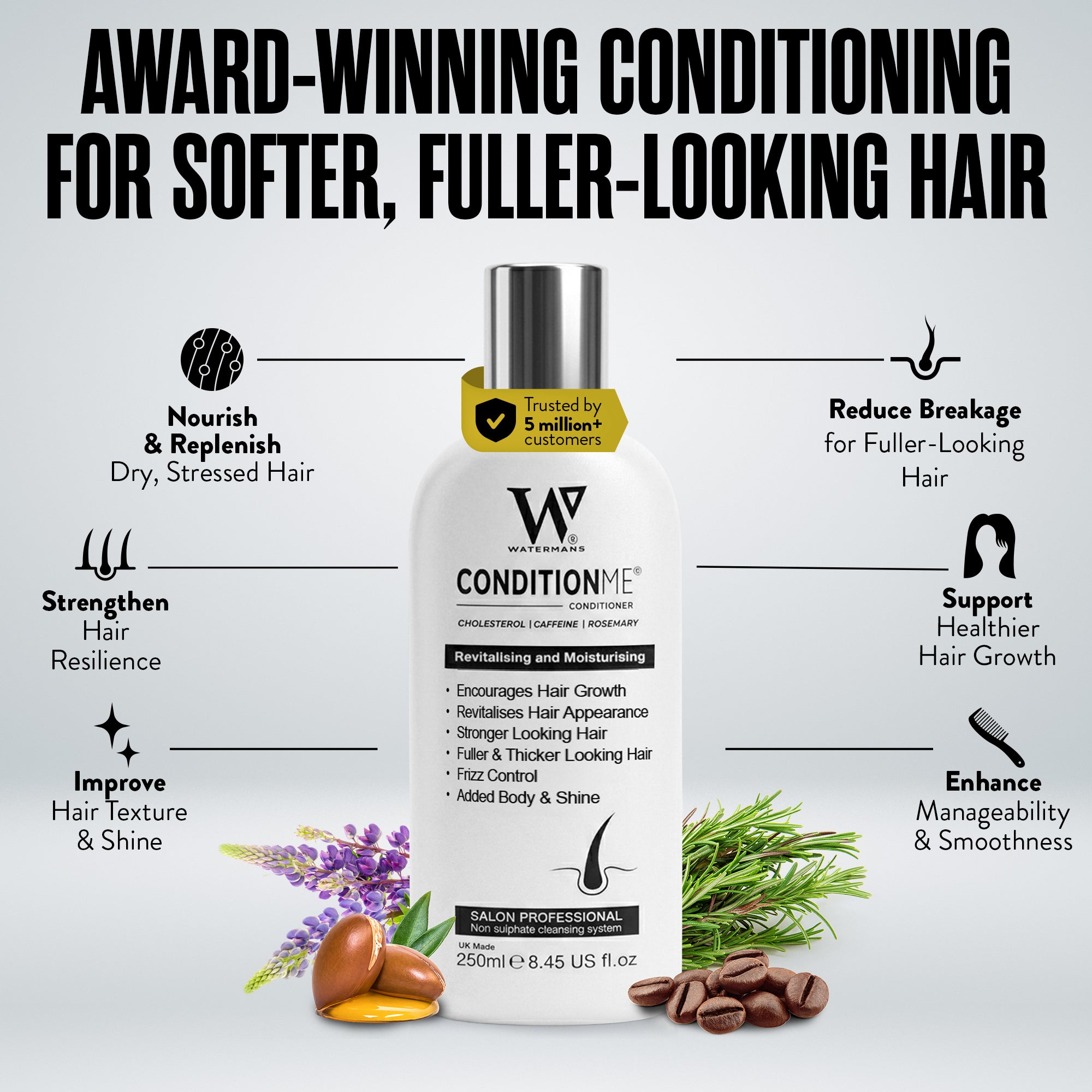
An 8-in-1 deep conditioning mask with argan oil, provitamin B5 and rosemary, £24.95 in September 2026. Use it once a week on dry, rough or colour-stressed lengths to help them look and feel smoother and to reduce breakage.

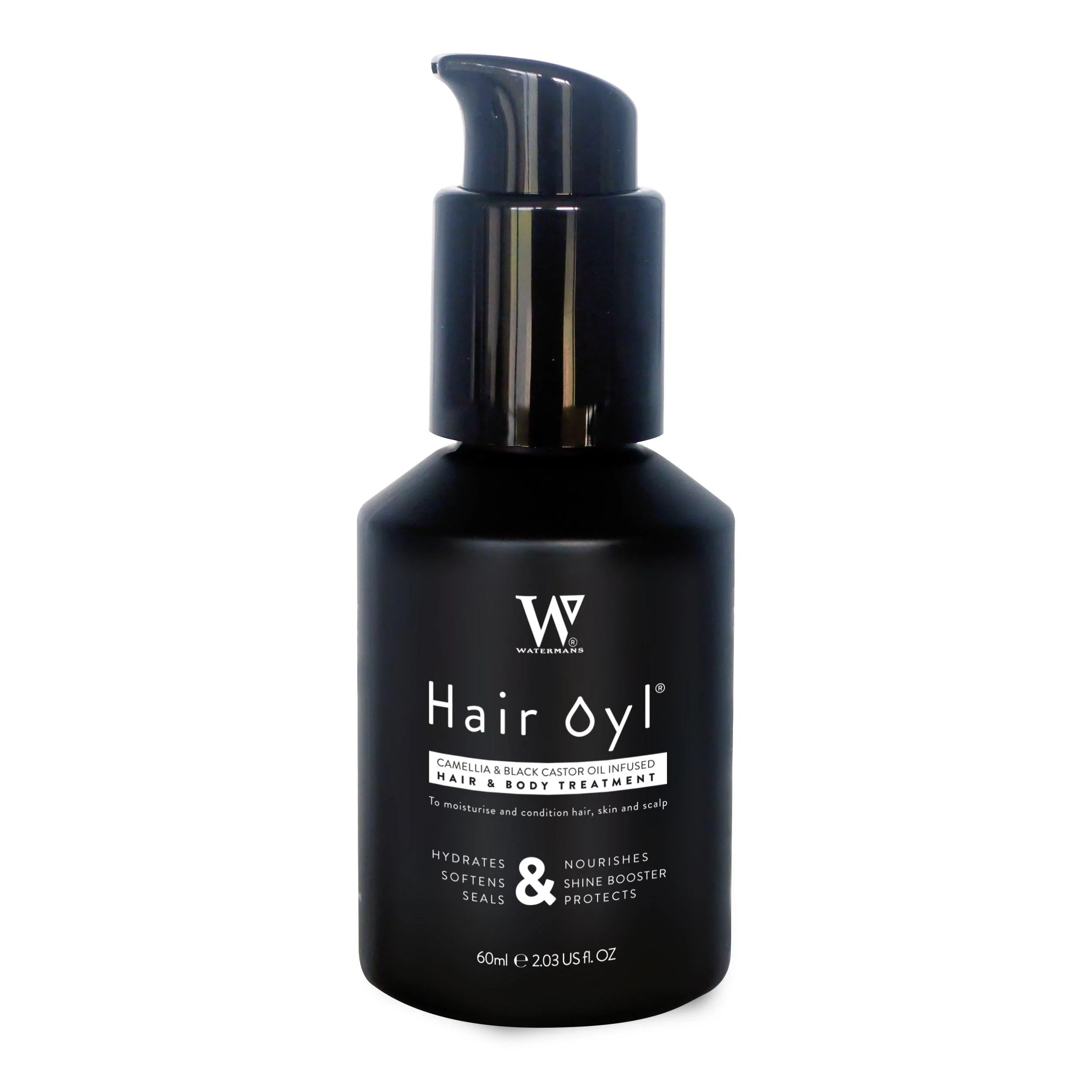
Camellia & Black Castor Hair & Body Oil
A hair and body oil made with camellia oil and black castor oil, rich in oleic acid, £24.95 in September 2026. Smooth a few drops over dry, coarse or frizzy lengths for shine and softness, keeping it away from the roots if your hair has turned limp.

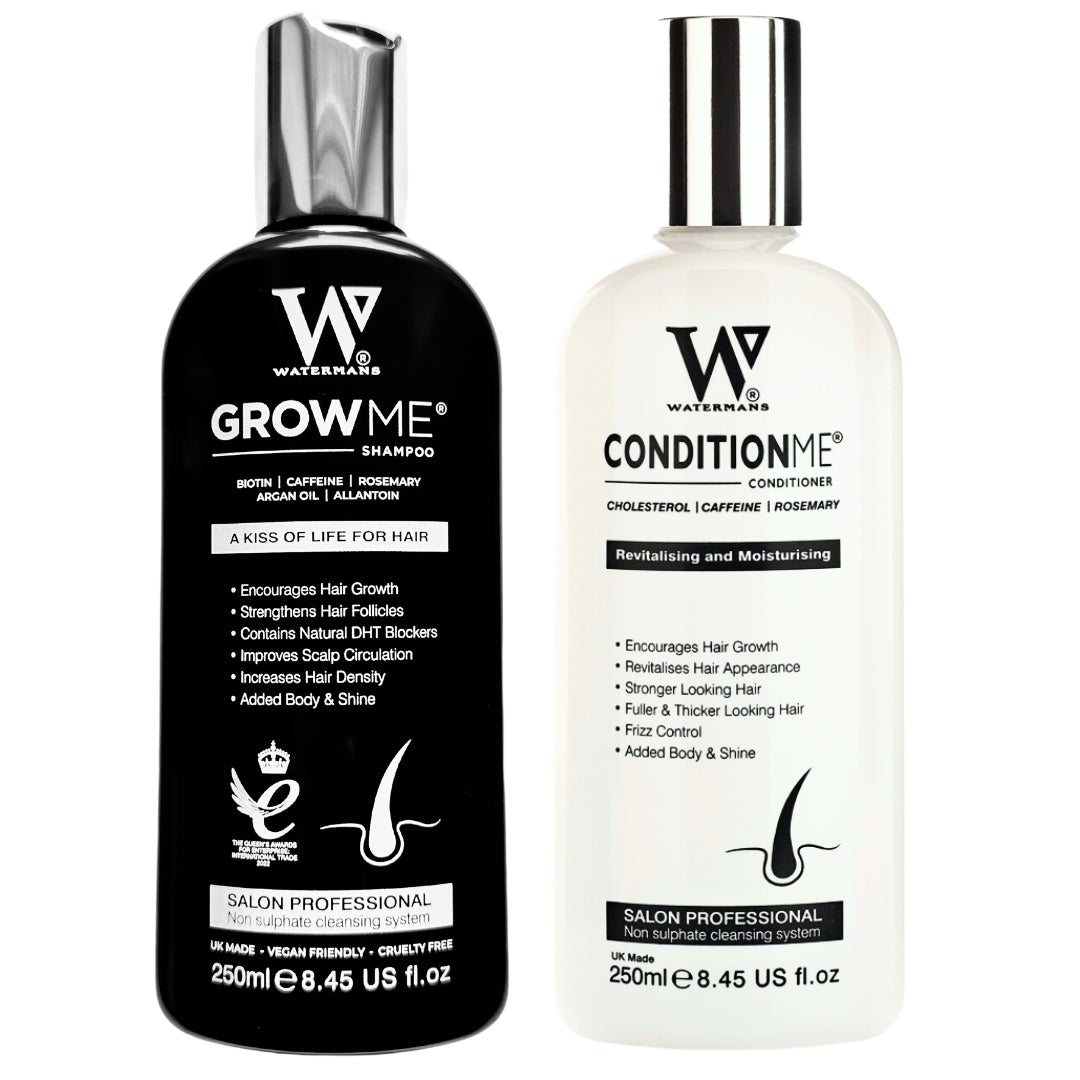
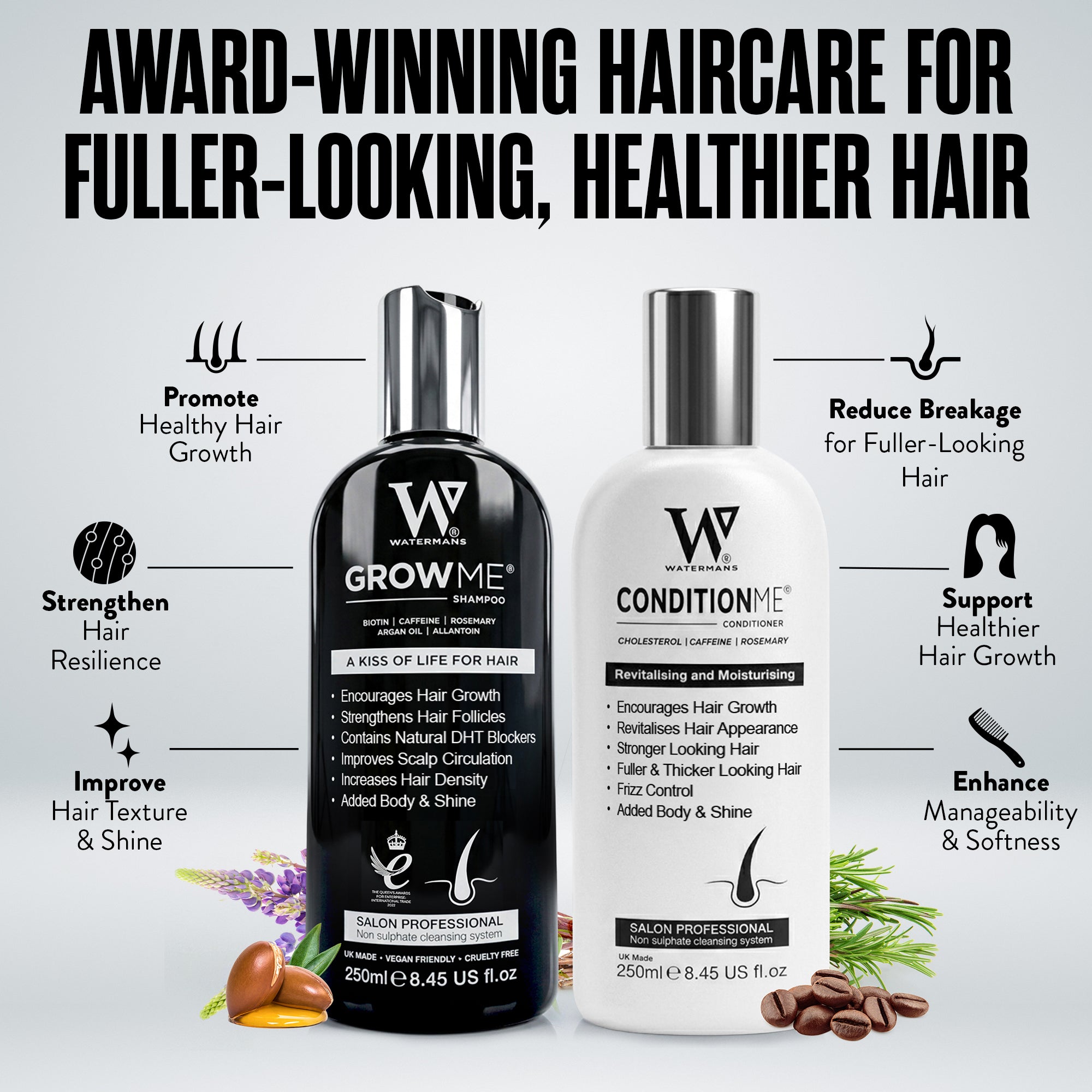
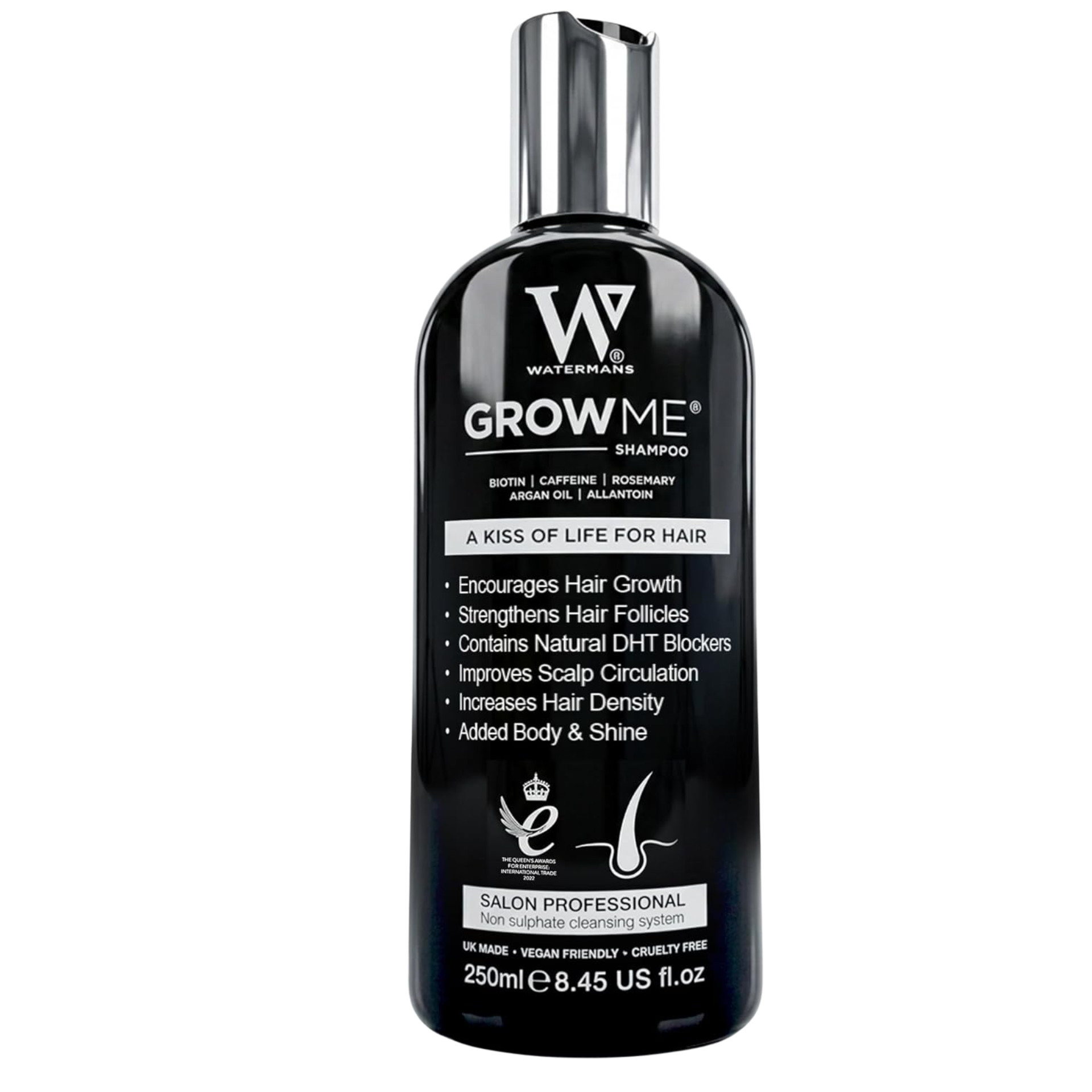
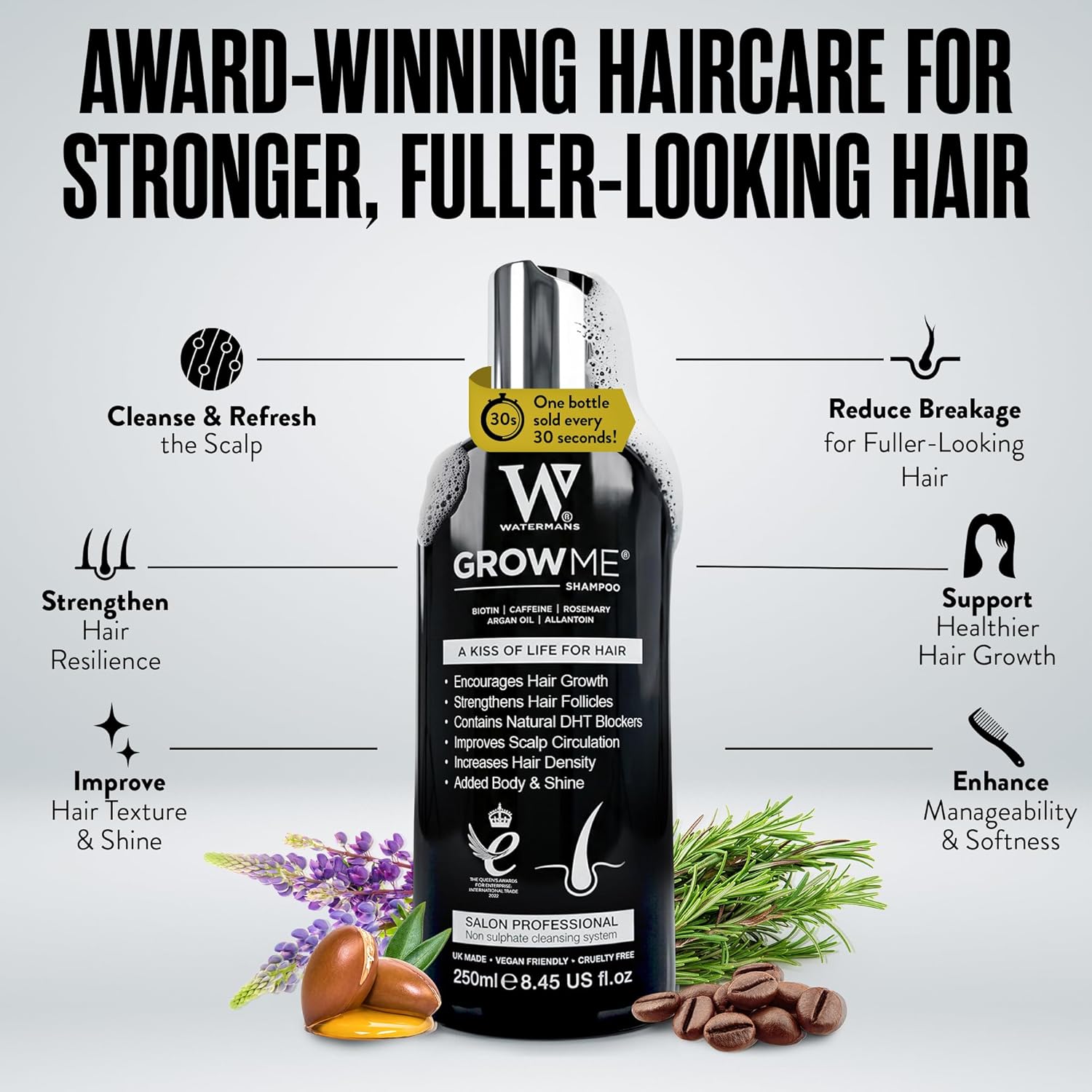
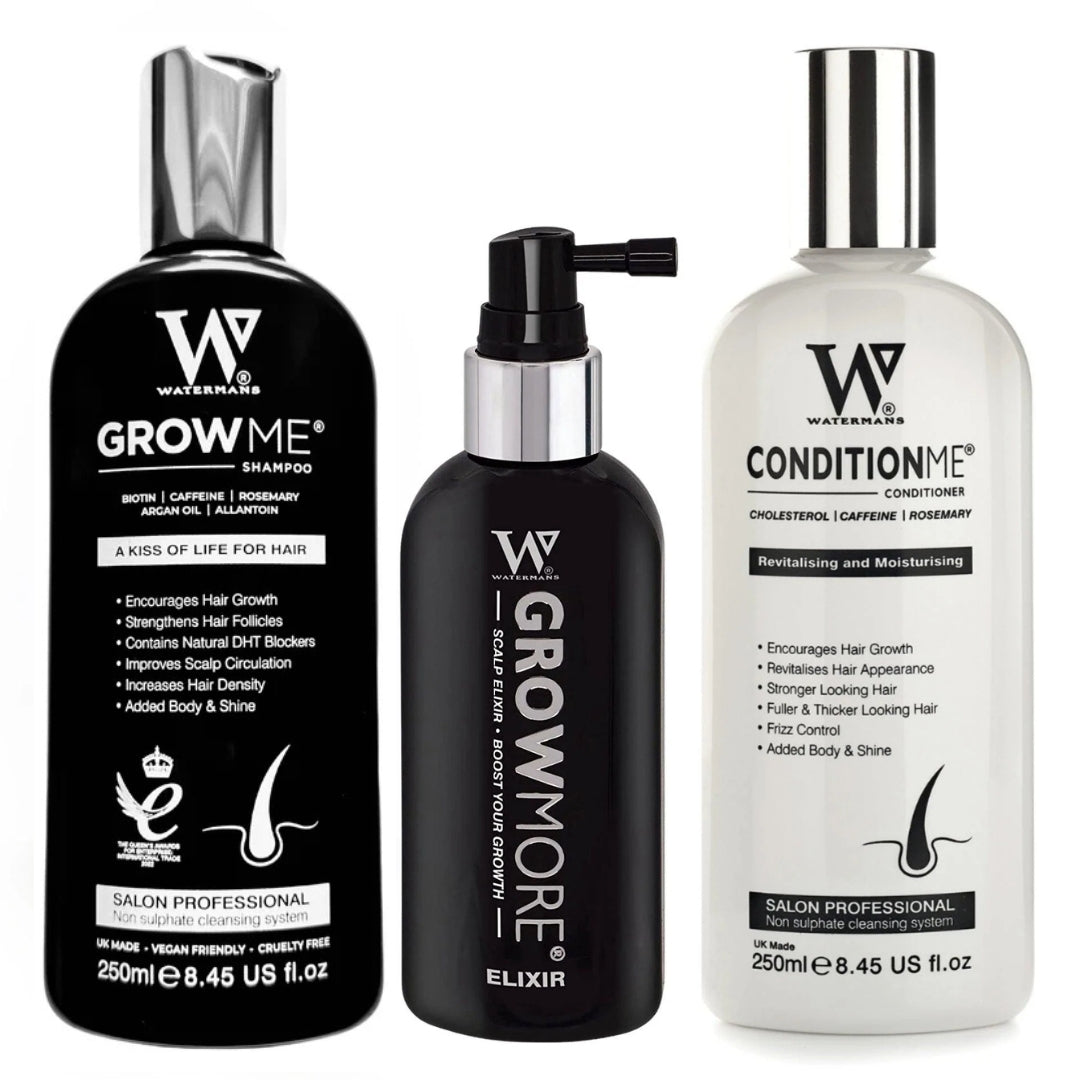
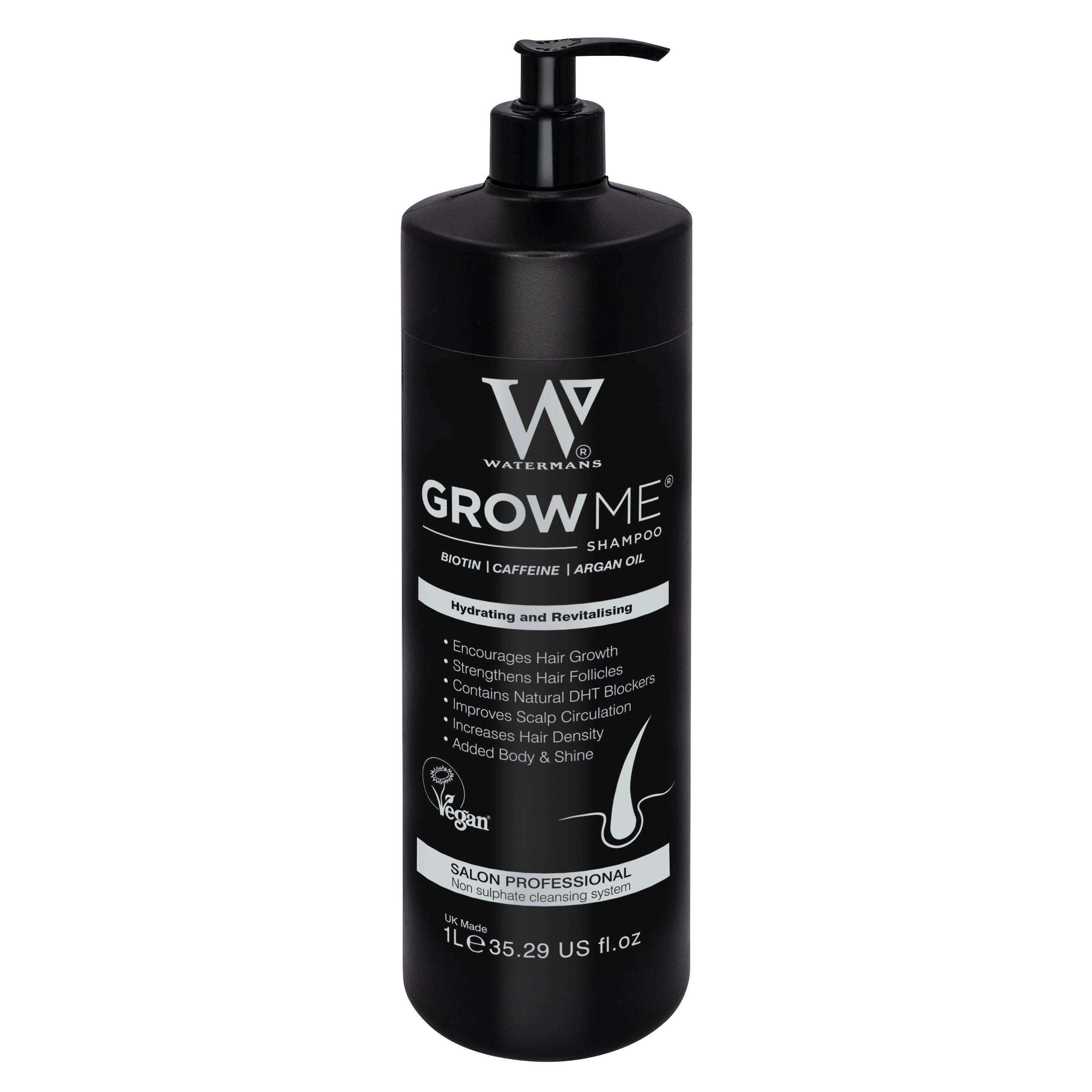
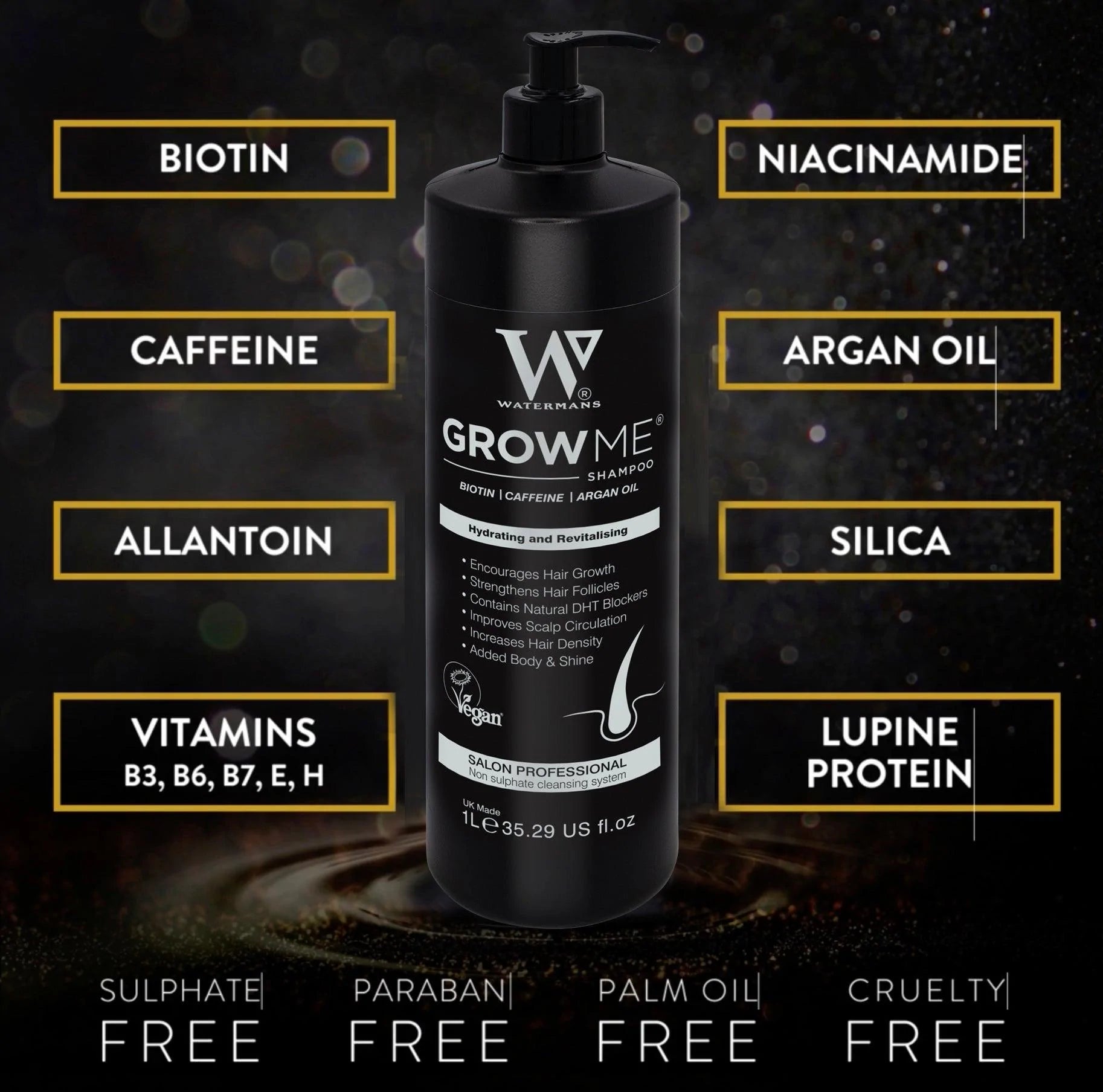
A vegan, sulfate-free 250ml shampoo with biotin, caffeine, rosemary and niacinamide, £14.95 in September 2026. Lather it at the scalp for a gentle clean that lifts build-up without stripping dry lengths, and helps hair look and feel fuller.
When is a trichologist in Darlington or your own GP the right next step?
A trichologist in Darlington or your own GP becomes the right next step when a texture change comes with heavy shedding, patches, a widening parting, a sore or scaly scalp, or tiredness and other health changes, or when a gentler, better-matched routine has made no difference after two or three months.
Order matters. The NHS advises seeing a GP to get an idea of what is causing hair loss before thinking about going to a commercial hair clinic, and the BAD notes that a blood test may be used to rule out other causes, such as thyroid problems and iron deficiency. Trichology is private and separate from the NHS. Trichologists are hair and scalp specialists rather than medical doctors, and a good one will send you back to your GP if something looks medical.
If you want a closer look at the hair itself, finding a qualified trichologist in Darlington starts with a register rather than a search result. The Institute of Trichologists runs a Find a Trichologist register, which it says is accredited under the Accredited Registers scheme run by the Professional Standards Authority, and its qualifying course is a two and a half year, Level 5 distance learning programme backed by clinical practice. Check that any practitioner you are given appears on that register before you pay anything. We make hair care and run no clinics, so we cannot look at your hair ourselves, and we do not name individual practitioners.
Three questions are worth asking any trichologist you contact:
- Will you look at my hair and scalp under magnification and go through my timeline of products, colour, heat and health?
- If this looks medical, will you send me back to my GP?
- Are you recommending products you sell, and can I keep using my own?
Speak to your own GP first if
Whole hairs are coming out in handfuls; you notice smooth patches, a widening parting or a receding hairline; your scalp is red, sore, scaly or weeping; the texture change arrived with tiredness or other changes in your health; or, in a young man, the hair at the temples has turned frizzy and kinked while the rest has not.
We sell hair care, so weigh our view accordingly. Watermans makes its range in the UK and has sold over 6.5 million bottles since 2012, and Grow Me shampoo is vegan. Our products are cosmetic: they help hair look and feel healthier and reduce breakage, but they cannot change how a follicle behaves. Before agreeing to any fee, what a first consultation should include for the money lists the seven things to confirm in writing.
What are the most frequently asked questions about sudden hair texture changes?
Why has my hair suddenly gone frizzy?
Sudden frizz usually comes from the hair fibre rather than the follicle, most often damp weather, heat or colour damage, hard water, product build-up or rough towel drying, which all roughen the cuticle. A 2007 study found hair takes up more water as humidity rises. If the frizz shows only in new growth at the roots, look back 3 to 6 months for a trigger.
Can your hair texture change with age?
Yes. Grey hairs are often thicker and wirier than pigmented ones: a 2004 study found white hairs averaged 67.68 micrometres across against 57.41 for pigmented hairs. A 2011 review also linked the menopause with changes in hair growth rate and strand thickness, so in midlife hair can feel coarser and finer at the same time.
Is it normal for hair to change texture after pregnancy?
Hair changes around pregnancy are common. In a 2020 study of 1,284 women questioned shortly after giving birth, 44.5% reported hair changes during the pregnancy. After the birth, extra shedding often starts around 3 months later, and the short new hairs that follow can look fluffier or frizzier. Speak to your GP about patches or shedding that carries on.
Can hard water make hair feel rough?
Hard water can leave hair feeling coated and rough, but studies of hair strength disagree. A 2013 study found no change after 30 days, while studies published in 2016 and 2018 found a small but significant drop. Wash the scalp thoroughly, rinse well and check your water hardness by postcode with your supplier.
Can a new medicine change hair texture?
Starting a new medicine is one of the triggers the British Association of Dermatologists lists for extra shedding, which often begins around 3 months later, and the new growth that follows can feel different for a while. Speak to whoever looks after that medicine, such as your GP or pharmacist, and never stop one on your own.
Does a change in hair texture mean my hair is falling out?
Usually not. Most texture changes happen in the hair fibre, not the follicle. A texture change that comes with heavy shedding, patches, a widening parting or a sore scalp is different and worth showing your GP. In young men, a new frizzy, kinked patch at the temples can occasionally be an early sign of pattern hair loss.
Should I see a trichologist in Darlington about a change in hair texture?
Not usually straight away. Try a routine matched to the new texture for two or three months first, and see your GP about shedding, patches or other health changes. A trichologist can help when the change persists and you want the hair and scalp examined closely. Check they are on the Institute of Trichologists register before you pay. If your question is about products or a routine rather than a medical one, you can talk to Gail Waterman, our co-founder, as an AI avatar on the Watermans homepage.
Sources & references
- NHS, Hair loss
- NHS, Symptoms of menopause
- NHS, Underactive thyroid symptoms
- British Association of Dermatologists, Telogen effluvium
- American Academy of Dermatology, Healthy hair care tips
- Northumbrian Water, Hard water in your area
- The Institute of Trichologists
- The Institute of Trichologists, Find a Trichologist
- Van Neste D. Thickness, medullation and growth rate of female scalp hair are subject to significant variation according to pigmentation and scalp location during ageing. Eur J Dermatol, 2004
- Hoefel IDR et al. Striae gravidarum, acne, facial spots, and hair disorders: risk factors in a study with 1284 puerperal women. J Pregnancy, 2020
- Mirmirani P. Hormonal changes in menopause: do they contribute to a 'midlife hair crisis' in women? Br J Dermatol, 2011
- Lee Y et al. Hair shaft damage from heat and drying time of hair dryer. Ann Dermatol, 2011
- Srinivasan G et al. Effects of hard water on hair. Int J Trichology, 2013
- Luqman MW et al. Effect of topical application of hard water in weakening of hair in men. J Pak Med Assoc, 2016
- Luqman MW et al. Changes in baseline strength of hairs after deionized water and hard water and its role in hair breakage. Int J Trichology, 2018
- Gao T. Evaluation of hair humidity resistance/moisturization from hair elasticity. J Cosmet Sci, 2007
- Skedung L et al. A curly Q: is frizz a matter of friction? Perception, 2021
- Corona-Rodarte E et al. Acquired progressive kinking of the hair: a narrative review of the androgen-dependent phenotype. Int J Dermatol, 2026
- Böhm M, Schmidt PF. Acquired progressive kinking of the hair following COVID-19 disease. Int J Dermatol, 2023
What is the bottom line on trichologist in Darlington?
Hair that suddenly turns drier, frizzier, coarser, limper, wavier or straighter nearly always has an everyday explanation, from grey strands and the months after pregnancy to heat, colour, hard water, build-up, the weather, illness, a diet change or a new medicine. Build a timeline, compare roots with ends, separate breakage from shedding and adjust your care to the hair you have now. Look for a trichologist in Darlington on the Institute of Trichologists register if the change persists, and follow NHS advice to see your own GP first about heavy shedding, patches or a sore scalp.
If your lengths have turned dry, rough or straw-like, a deep conditioning hair mask such as Masque Me, used once a week, adds the slip and softness that make changed hair easier to manage.
Watermans products are 100% cosmetic and do not treat medical hair loss. Individual results may vary.