Batana Oil for Hair Growth: What the Evidence Actually Shows
The honest answer on batana oil for hair growth is that there is no published clinical evidence showing it makes hair grow. What a rich oil like this genuinely does is condition the fibre, add slip and reduce the breakage that costs you length, so hair looks longer and fuller within weeks because less of it is snapping off. That is a real, worthwhile effect. It is simply a different thing from growing new hair, and the two get confused constantly.
Our weekly hair mask
Masque Me® Hair Mask, £24.95. A deep conditioning weekly mask for dry, stressed lengths, adding gloss and hydration where heat and colour have taken their toll.
Key takeaways
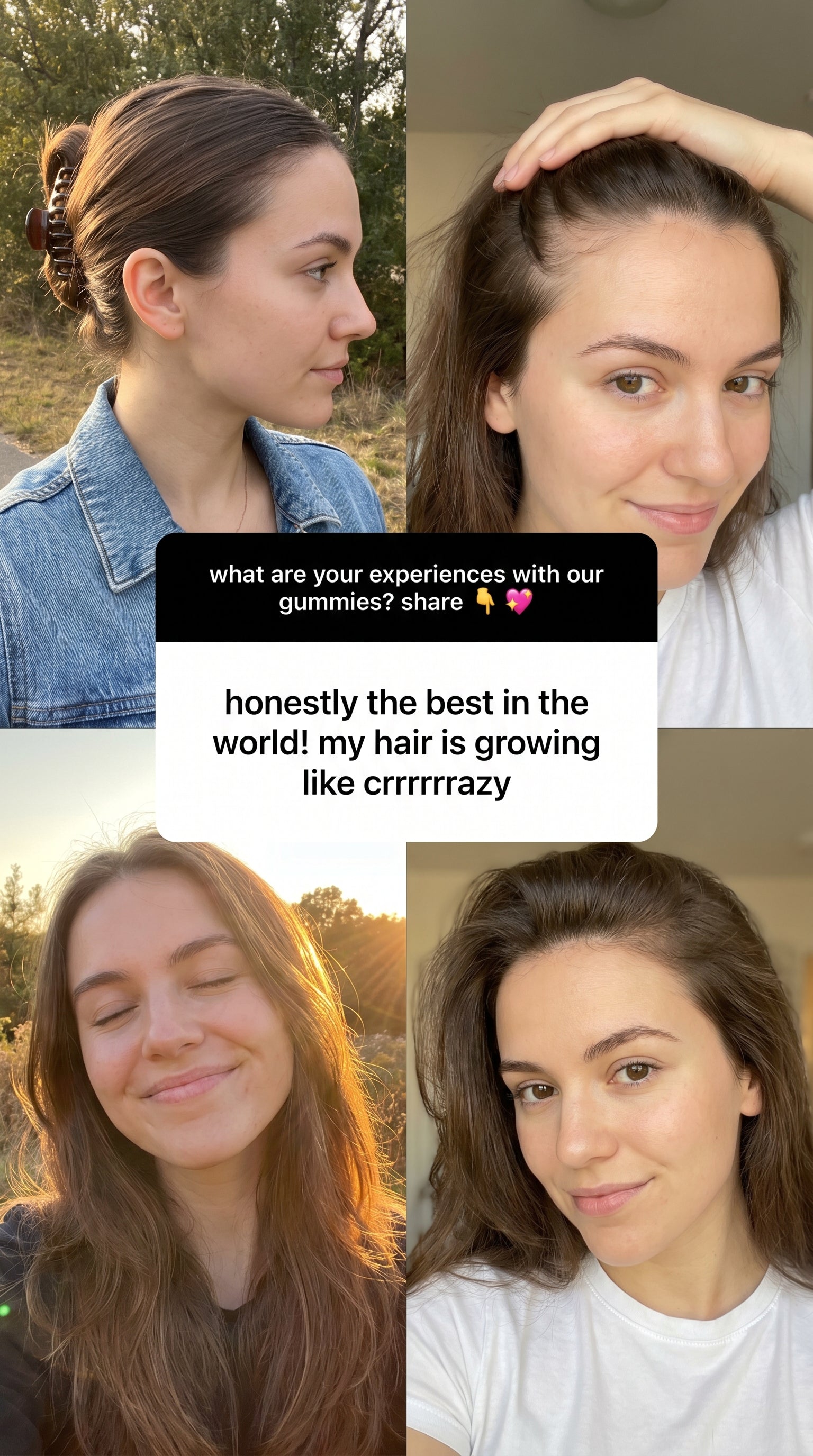
- No clinical trial has tested batana oil on hair growth in humans. The viral before and after photos are real, but the mechanism behind them is length retention, not new hair.
- Reduced breakage and increased growth look almost identical over three months. This is the single biggest source of confusion in the entire hair oil category.
- The oil research that does exist is about protecting the fibre from damage, and the best evidence in that space is for coconut oil rather than for batana.
- The scalp massage that comes with oiling has its own modest evidence. If you feel a benefit from an oiling routine, some of it is likely the massage and the handling change.
- Batana oil is a good conditioner with a genuine job to do. Judge it on shine, softness and how much hair stays in your head, and it performs well on all three.
What is batana oil, and where does it come from?
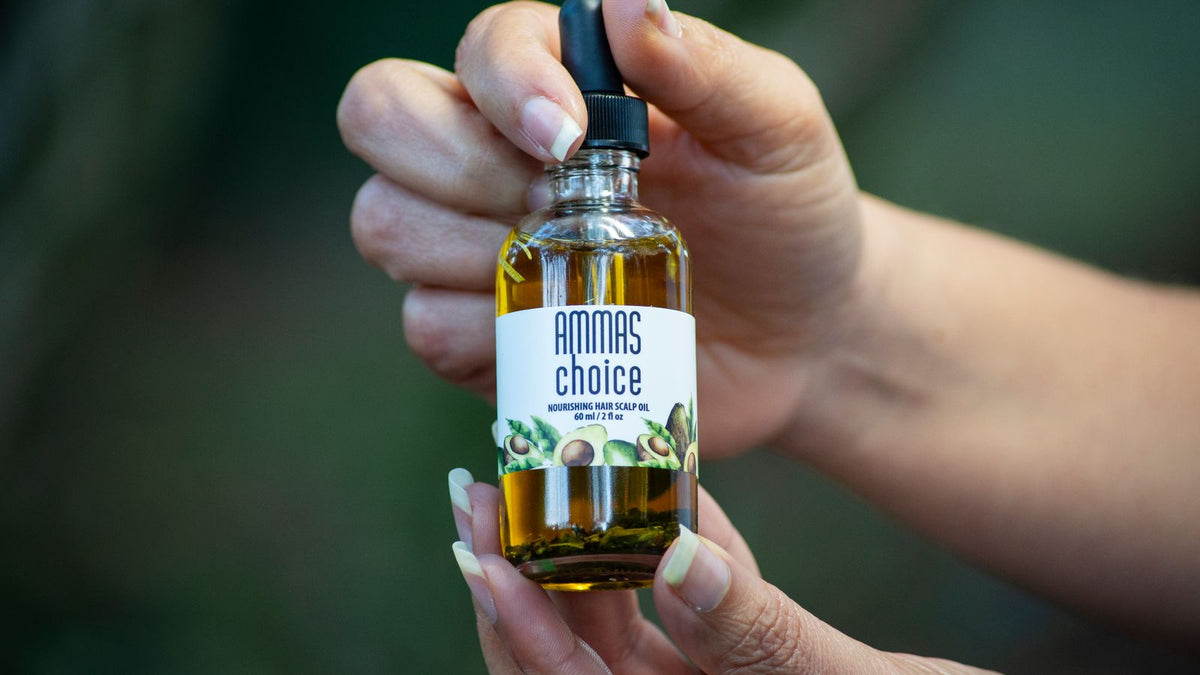
Batana oil is pressed from the nut of the American oil palm, Elaeis oleifera, and is traditionally produced by the Miskito people of eastern Honduras, which is where the marketing phrase about the region's hair originates. It is a heavy, dark, strongly scented oil, rich in oleic and palmitic fatty acids along with vitamin E and other antioxidants. Unrefined versions are thick enough to need warming between the palms before they spread.
The traditional use is real and long standing. What does not follow from that is a growth claim, because traditional use tells you something has been valued for generations, not what it does at the follicle. This page is about what the evidence supports. If you have already decided to use it and want the practical method, our companion guide on how to use batana oil covers application, timings and how to wash it out.
Does batana oil for hair growth have any clinical evidence behind it?
No, and it is worth being precise about what that means. There are no published human trials testing batana oil against a control for hair density, hair count or growth rate. That is not the same as saying it has been tested and failed. It means the question has not been properly asked, so anyone stating that batana oil for hair growth works is going beyond the evidence, and so would anyone stating flatly that it cannot help. We look at oregano for hair growth separately, with the practical steps.
What has been studied is the wider question of what plant oils do to the hair fibre, and that literature is genuinely useful. The best known work compared coconut, sunflower and mineral oils and found coconut oil reduced protein loss from hair in a way the other two did not, because its main fatty acid is small and linear enough to penetrate the shaft rather than sit on top of it. Later work using mass spectrometry confirmed that penetration directly. Batana oil has not been through the same testing, and its fatty acid profile is dominated by oleic acid, which is a larger molecule than coconut oil's lauric acid, so it is likely to behave more as a surface conditioner than a penetrating one.

Why does batana oil for hair growth look like it works?
Because length retention and growth produce the same photograph. Hair grows at roughly a centimetre a month whatever you put on it. If you are losing two centimetres a month to snapped ends, your hair never gets longer, and it looks thin and wispy at the bottom. Stop the snapping and the same unchanged growth rate suddenly shows up as visible length and a thicker looking hemline. Three months of that is a dramatic before and after, and no new hair has been created at any point.
| What you observe | If it is genuine new growth | If it is length retention |
|---|---|---|
| Where the change shows | Short new hairs standing up at the parting and hairline | Ends look thicker and blunter, less see through |
| Timescale | Three to six months before anything is visible | Two to six weeks, much faster than growth could ever be |
| Density at the roots | Parting looks narrower | Parting looks the same |
| What caused it | A change in the follicle or its environment | Less friction, less snapping, better handling |
This distinction is the whole ball game with oils, and our guide to why hair breaks and how to stop it goes into the mechanics in more detail.

Is it hair loss, hair shedding or hair breakage?
An oil can only help with one of these three, so naming the problem correctly decides whether batana oil for hair growth is a relevant purchase for you at all. Hair breakage is the fibre snapping partway along while the root stays in place, and this is the one where conditioning oils genuinely help. Hair shedding is whole hairs leaving early because the cycle was disturbed by illness, stress, childbirth or low iron, and no oil changes that. Hair loss means follicles gradually miniaturising over years, and no oil changes that either.
The quick test is to look at what is coming out. Whole hairs with a small pale bulb at the root end mean shedding. Short fragments with no bulb and uneven lengths mean breakage. If it is shedding you are dealing with, our guide to what genuinely helps hair shedding is the more relevant page.
Get a discount on the hair breakage range
Join the Watermans mailing list and we will email a discount code straight to your inbox, so you can try the hair breakage range for less. Made in the UK, over 6.5 million bottles sold since 2012.
What about the scalp massage?
This is the part of the oiling ritual with the most credible mechanism behind it, and it has nothing to do with which oil is in the bottle. A small study of standardised daily scalp massage found increased hair thickness after twenty four weeks, attributed to mechanical stretching forces on the cells in the dermal papilla. The study was small and had no control group, so it is suggestive rather than conclusive, but it is more evidence than most oils can point to.
The practical implication is slightly awkward for the oil industry: if you oil your scalp and massage for five minutes several times a week, and something improves, you cannot tell how much was the oil and how much was the massage. Our page on what scalp massage does and does not do covers the evidence in full.
A fair way to test it on yourself
Change one thing at a time and give it three months. Take a photo of your parting and one of your ends in the same light on day one. If the ends look blunter but the parting is unchanged, you have reduced breakage, which is a genuine win. If the parting looks denser with short new hairs standing up, something more interesting is happening and it is worth working out what else changed.
How does batana oil compare with other popular hair oils?
Ranked by weight of evidence rather than by popularity, the picture looks quite different from the marketing.
| Oil | What the evidence supports | Best use |
|---|---|---|
| Coconut oil | The strongest fibre level evidence of the group. Shown to reduce protein loss and to penetrate the hair shaft | Pre wash oiling to limit damage during washing |
| Rosemary oil | The most studied of the scalp oils, with some human data, though it is frequently overstated online | Scalp application, discussed on our rosemary page |
| Batana oil | No human trials on batana oil for hair growth. Plausible as a surface conditioner based on its fatty acid profile | Conditioning very dry, coarse or coily lengths |
| Argan oil | Well established as a cosmetic conditioner. No credible growth data | Lightweight finishing oil on the mid lengths and ends |
| Mineral oil | Coats the fibre and reduces friction, but does not penetrate or reduce protein loss | Slip and shine only |
For the oil with the most human data behind it, see our evidence review of rosemary oil and hair growth, which is a more useful starting point if your interest is the scalp rather than the lengths.

How should you use it, and who should not bother?
If your hair is dry, coarse, coily or chemically processed, batana oil is a reasonable heavy conditioner and you will probably like it, provided you are buying it for condition rather than for the batana oil for hair growth promise on the label. Warm a small amount, work it through the mid lengths and ends rather than the roots, leave it for twenty to thirty minutes or overnight, and shampoo it out properly, usually twice, because it is a heavy oil. Fine or oily hair generally does not get on with it, and applying it to the scalp when you are already prone to a greasy or flaky scalp tends to make that worse rather than better.
Two practical cautions. It has a strong, smoky, nutty scent that not everyone tolerates, so test a small amount first. And it is a nut derived oil, so anyone with a tree nut allergy should approach it carefully and patch test on the inner forearm before putting it anywhere near the scalp. We have a separate guide to tamanu oil for hair if that is the part you need.
Where does cosmetic hair care fit?
The realistic goal with any conditioning product, batana included, is that more of the hair you already grow survives to full length, and that the scalp stays comfortable. That is a modest promise and it is one that can actually be kept. Nothing in this category changes the hair cycle, and anything sold to you on that basis is overreaching. Watermans is made in the UK, and has sold over 6.5 million bottles since 2012.

Masque Me® Hair Growth Mask
A deep conditioning weekly mask, and the closest thing here to what people are actually reaching for when they buy a heavy oil for dry, snapping lengths.

Condition Me® Hair Growth Conditioner
Conditioning at every wash does more for length retention than any weekly ritual, because it is the routine friction that costs you the ends.

Grow More® Scalp Elixir
A leave on scalp elixir, if what you actually want is something for the scalp rather than a heavy oil weighing down the lengths.
Watermans products are 100% cosmetic and do not treat medical hair loss. Individual results may vary.
Frequently asked questions
Does batana oil really make hair grow?
There is no published human trial showing it does. The visible improvement people report is consistent with reduced breakage and better length retention, which is a genuine benefit but a different one. Anyone claiming a growth effect is going beyond the available evidence. Maca gets a similar level of hype with a similar evidence base, as we set out in maca for hair growth, what the evidence really shows.
How long until I see a difference?
Conditioning effects from batana oil for hair growth routines show on shine, softness and tangling within one or two washes. Changes in how your ends look take about six to twelve weeks, because that is how long it takes for reduced snapping to accumulate into visible length. Anything dramatic in the first fortnight is the surface condition of the fibre, not the follicle.
Is batana oil better than coconut oil?
On evidence, no. Coconut oil is the most studied of the plant oils at the fibre level and has been shown to reduce protein loss and to penetrate the shaft, which batana oil has not been tested for. On feel and richness, batana suits very coarse and coily hair that finds coconut oil too light, so preference is a legitimate reason to choose it.
Can I leave batana oil on overnight?
Yes, and many people prefer to, particularly on coarse or coily hair. Protect your pillow, keep it mainly on the lengths rather than saturating the scalp, and expect to shampoo twice to get it out. If your scalp tends to be greasy or flaky, an overnight scalp application is more likely to aggravate that than to help.
Will batana oil help a receding hairline or a widening parting?
No. Those are follicle level changes, and a conditioning oil works on the hair fibre after it has left the follicle. If your parting is widening or your hairline is moving, that is worth discussing with your GP, because the cause determines what actually helps and an oil is not going to be it. If your question is about products or a routine rather than a medical one, you can talk to Gail Waterman, our co-founder, as an AI avatar on the Watermans homepage.
Is the scalp massage doing the work rather than the oil?
Possibly some of it. Standardised daily scalp massage has its own small body of evidence for increased hair thickness, independent of what is on your hands. Since almost nobody applies oil without massaging, the two effects are impossible to separate in ordinary use.
Is batana oil safe to use?
For most people, yes, as a cosmetic applied to hair and scalp. It is derived from a palm nut, so patch test first if you have any tree nut allergy. The scent is strong and some people find it lingers through a wash. Stop using it if the scalp becomes itchy, red or sore.
Should I use batana oil for hair growth or spend the money elsewhere?
If your problem is dryness and snapping ends, it is a sound purchase and will do what a good heavy conditioner does. If your problem is shedding or a change in density at the parting, the money is better spent on a GP conversation and blood tests, because those find causes that no oil can address.
What is the bottom line on batana oil for hair growth?
Batana oil for hair growth is a claim the evidence does not currently support, and no human trial has tested it. What it does do is condition the fibre and reduce breakage, which retains length and produces exactly the fuller looking result people photograph and attribute to growth. Judge it as a rich conditioner for dry, coarse or coily hair and it earns its place. Expect it to change your density at the parting and it will disappoint you, because that is a follicle level problem and this is a hair fibre level product. Another botanical with big claims and modest evidence is covered in butterfly pea flower for hair.
For thinner areas specifically, the Grow More hair growth serum is the targeted step. Vegan and made in the UK.
Sources and References
- Rele AS, Mohile RB, Effect of mineral oil, sunflower oil, and coconut oil on prevention of hair damage, Journal of Cosmetic Science, 2003, on protein loss and which oils reduce it.
- Ruetsch SB and colleagues, Secondary ion mass spectrometric investigation of penetration of coconut and mineral oils into human hair fibers, Journal of Cosmetic Science, 2001, on which oils actually enter the shaft.
- A method to measure oil penetration into hair and correlation to tensile strength, on how oil penetration relates to fibre strength.
- Standardized scalp massage results in increased hair thickness by inducing stretching forces to dermal papilla cells, Eplasty, 2016, the small uncontrolled study behind the scalp massage claim.
- Herbal remedies for hair loss: a review of efficacy and safety, on the general state of the evidence for botanical hair products.
- NHS, Hair loss, on causes and when to see a GP.
- British Association of Dermatologists, Telogen effluvium, on diffuse shedding and how it differs from breakage.